Applications
Water Mist Applications
High-pressure water mist wins wherever water damage, water demand, or system footprint make deluge or sprinkler protection impractical — and wherever fire behaviour rewards fast, fine-droplet suppression over brute-force flooding. Mistelix concentrates on four applications where these advantages are decisive.
Where we work
Four applications, one physics
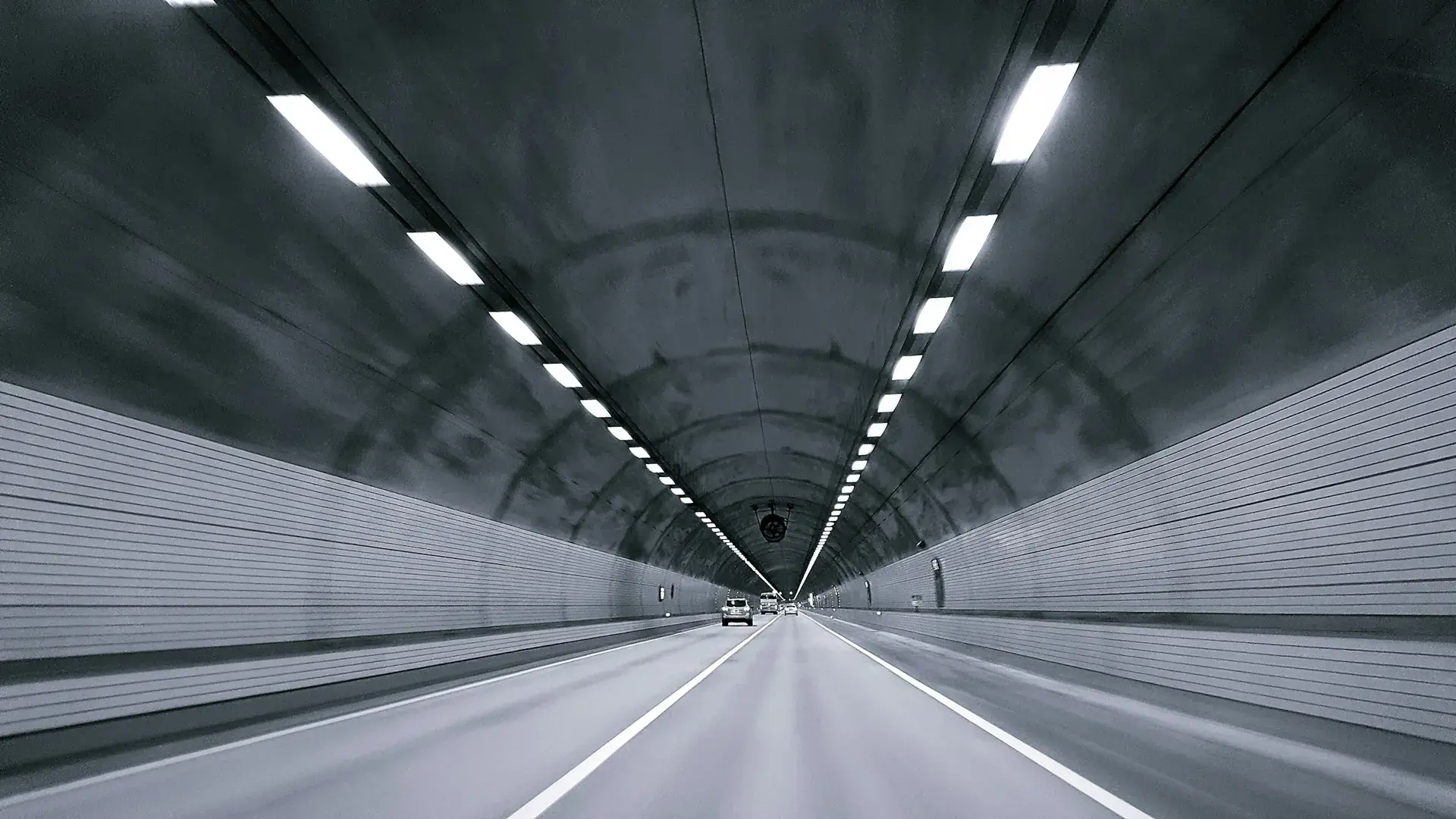
Road & rail tunnels
Zoned deluge water mist protection for tunnel bores, sized to 25–30 m fire zones with section-valve activation.
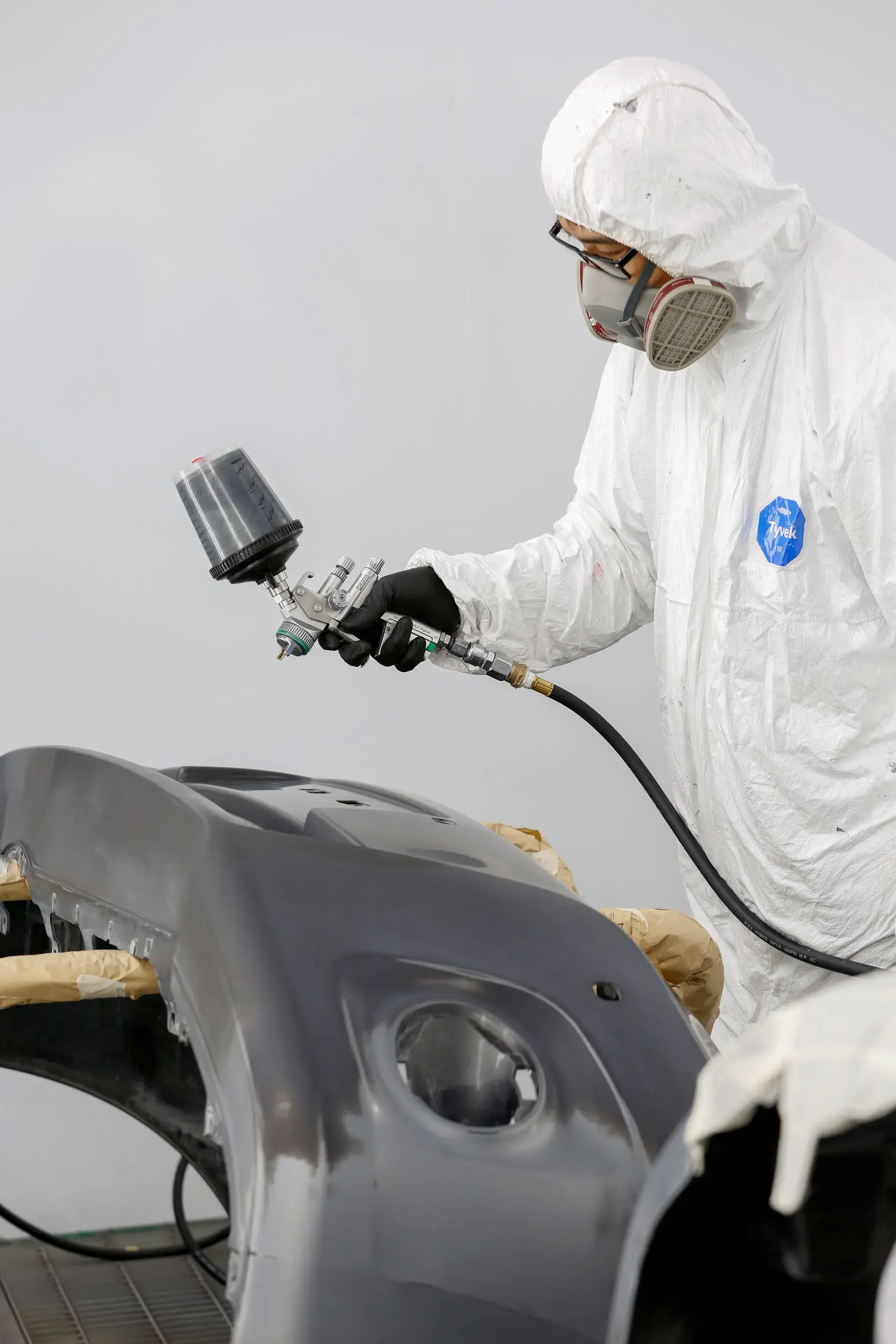
Paint booths
Spray booth suppression designed with reference to NFPA 33 and NFPA 750, using a fraction of a sprinkler system's water.
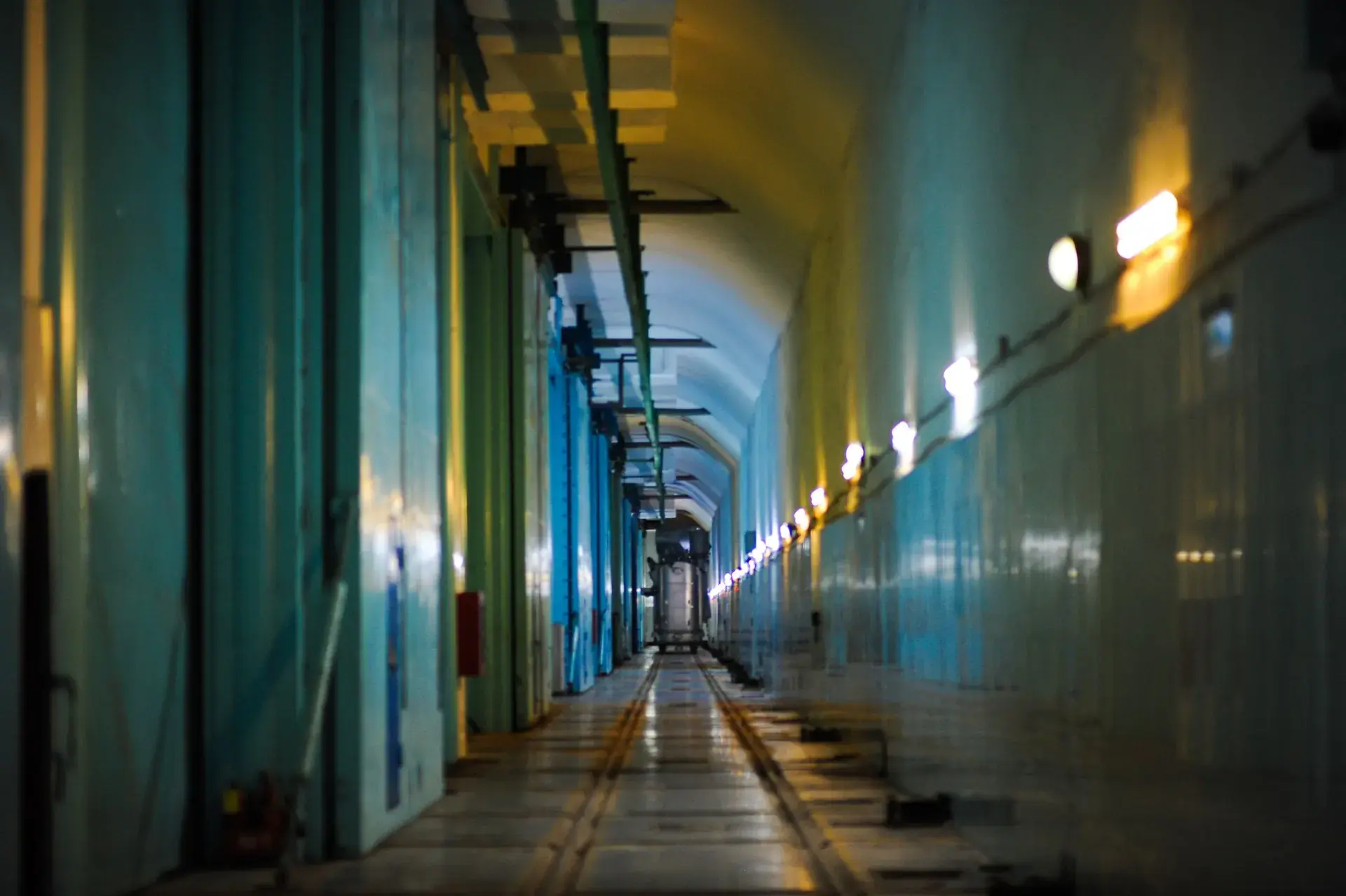
Cable tunnels
Protection for metro and power utility cable galleries where uptime and asset survival matter as much as suppression.
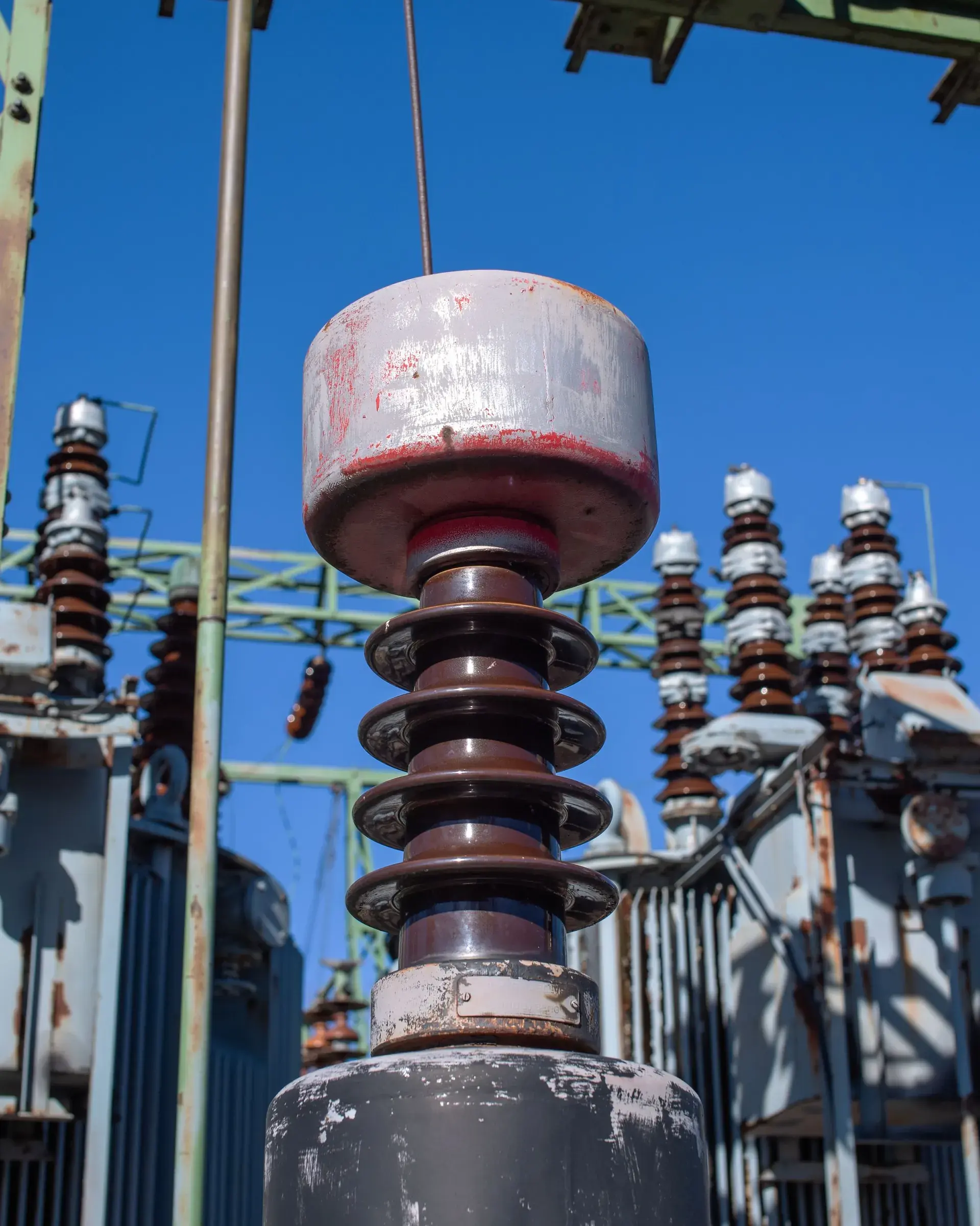
Transformers
Oil-filled transformer bay protection with a fraction of the water footprint of a deluge system.
What they share
Why these four and not everything
The same three mechanisms do the work in every one of them: evaporative cooling, local oxygen displacement at the seat of the fire, and attenuation of radiant heat to whatever sits next to it. What changes between applications is which of the three matters most, and that is what drives the design rather than any single product specification.
In a tunnel, radiant heat control and tenability on the escape route dominate. In a paint booth, it is knockdown speed and how fast the line restarts afterwards. In a cable gallery, it is containing the outage while keeping healthy circuits dry. At a transformer, it is surface cooling and stopping the exposure from spreading across the substation. A supplier offering one configuration for all four has optimised for none of them.
Common ground
Where water mist genuinely wins
The honest boundary is worth stating, because water mist is not universally better than the alternatives. It wins where water damage is expensive, where the water supply or pump-room footprint is constrained, where the protected asset is electrical, and where downtime after a discharge costs more than the fire itself.
It is the wrong answer for large open storage and warehousing, where high water volumes are acceptable and prescriptive sprinkler design is well proven. If your risk falls on that side of the line we will tell you so rather than sell into it — our sprinkler comparison sets out where each belongs.
Next step
Send us the risk, not a product enquiry
The useful first message names the application, the governing standard, and the stage the project has reached. That is enough for an engineer to come back with a system concept and the hydraulic basis behind it.
Request a system concept