Applications · Transformers
Transformer Fire Protection
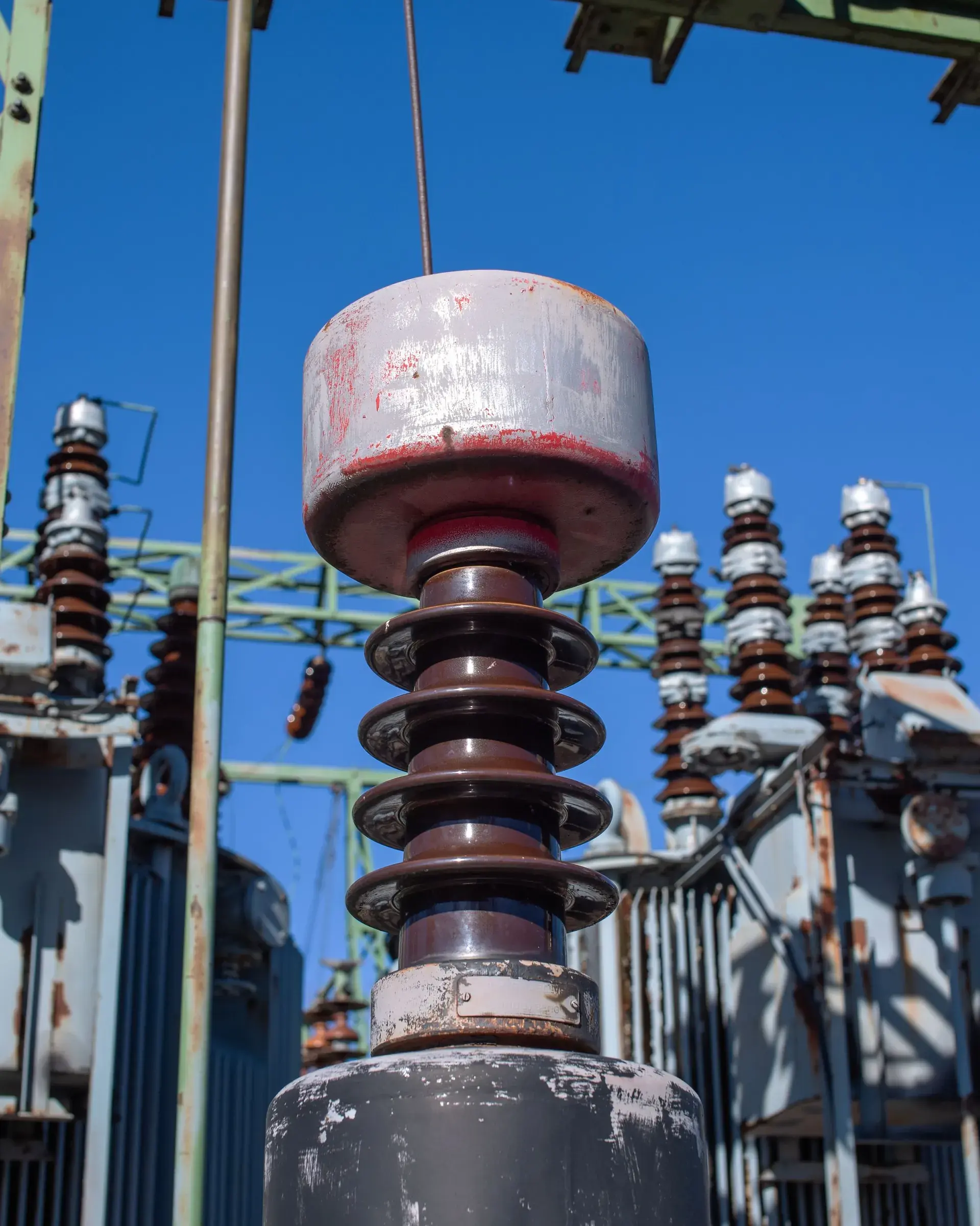
An oil-filled power transformer failure can release burning insulating oil in seconds, radiating heat toward adjacent bays and switchgear. Conventional deluge protection handles this risk with large volumes of water and correspondingly large tanks, pumps and bunding — a heavy footprint for substations where space is already constrained.
Risk
What actually threatens the substation
The transformer itself is rarely the whole loss. A tank rupture puts a large volume of mineral oil into the bund and the fire that follows radiates heat at everything within reach — neighbouring bays, switchgear, cable terminations, control buildings. What began as one failed asset becomes an outage across a substation when the exposure is not controlled.
That shapes what the suppression system is for. Rapid extinguishment of a pressurised oil release is not a realistic objective and no credible design promises it. Containment, surface cooling and radiant-heat control are, and those are the criteria a transformer protection scheme should be judged against.
Standards basis
Three documents, three different weights
Transformer fire protection is usually framed by three documents, and a specification is clearer when it states which of them is mandatory on the project and which is advisory. NFPA 850 is a Recommended Practice — not a standard — covering fire protection for electric generating plants and HVDC converter stations, including oil-insulated transformers. IEEE 979 is a Guide for substation fire protection. NFPA 750 is the Standard that governs the water mist system itself.
Mistelix transformer bay systems are designed to NFPA 750, read alongside whichever of the above the project adopts. We keep the distinction between a standard, a recommended practice and a guide visible rather than collapsing all three into the word “compliant” — the same reason we separate designed-to, tested and certified everywhere else on this site.
Design approach
Suppression sized to the bay, not the substation
High-pressure water mist cools the transformer tank surface and attenuates radiant heat to neighbouring bays at a fraction of the water flow a deluge system requires — reducing tank size, pump capacity, and civil bunding work for both outdoor and indoor transformer installations.
The consequence shows up in the civil drawings rather than the fire strategy. Lower flow means a smaller water store, a smaller pump house and less drainage provision, which is often what makes fixed protection feasible at all on a brownfield substation where the footprint was committed decades ago. Protection is zoned to the bay, so an incident at one transformer does not commit the water supply for the whole site.
Configuration
Indoor and outdoor bays are not the same problem
An indoor transformer room confines heat and smoke, so the building structure, adjacent rooms and egress routes enter the fire strategy alongside the transformer. An outdoor bay is governed far more by separation distance and radiant exposure to the plant either side of it. The suppression principle does not change between them; the zoning, the detection placement and the interaction with ventilation do.
| Operating pressure | 50–140 bar |
|---|---|
| Droplet size (Dv0.9) | < 200 µm |
| System standard | NFPA 750 |
| Commonly referenced | NFPA 850 (Recommended Practice), IEEE 979 (Guide) |
| Activation | Heat/flame detection, zoned per bay |
FAQ
Common questions
- What standards cover transformer fire protection?
- Three documents usually frame the discussion, and their status differs. NFPA 850 is a Recommended Practice, not a standard, covering fire protection for electric generating plants and HVDC converter stations including oil-insulated transformers. IEEE 979 is a Guide for substation fire protection. NFPA 750 is the Standard for the water mist system itself. A specification that cites all three should be explicit about which is mandatory on the project and which is advisory.
- How does water mist protect an oil-filled transformer?
- It works on the two things that make a transformer fire spread: heat at the tank surface and radiant heat reaching whatever sits next to it. Fine droplets cool the surface and the droplet cloud attenuates radiation toward adjacent bays, switchgear and control buildings. The objective for this risk is normally containment and exposure protection rather than rapid extinguishment of a pressurised oil release.
- Can water mist replace a deluge system on a transformer bay?
- Often, but that is a decision for the authority having jurisdiction and the project specification, not a claim a manufacturer should make in the abstract. The engineering case is the water footprint: a mist system needs far less flow, which means smaller tanks, smaller pumps and less civil bunding on a substation where space is already committed. The evidence question is separate — ask what test documentation the specification requires, and confirm it exists before the design is fixed.
- Does an indoor transformer need a different approach to an outdoor one?
- Yes, mainly because the enclosure changes both the fire and the consequences. An indoor bay confines heat and smoke and puts the building structure and adjacent rooms at risk, while an outdoor bay is governed more by separation distance and radiant exposure to neighbouring plant. The suppression principle is the same; the zoning, detection placement and ventilation interaction are not.
Next step
Request a transformer bay system concept
Send us transformer rating, bay layout, and indoor/outdoor configuration for your site.
Request technical assessment