High-pressure water mist · 50–140 bar
High-Pressure Water Mist Fire Suppression
Engineered and manufactured for the risks that punish under-specified fire protection — road and rail tunnels, paint booths, cable galleries and transformers.
Systems
The hardware behind the number
50–140 bar is only a number until the components can hold it. These are ours — photographed, not rendered — with the figure each one is built to.
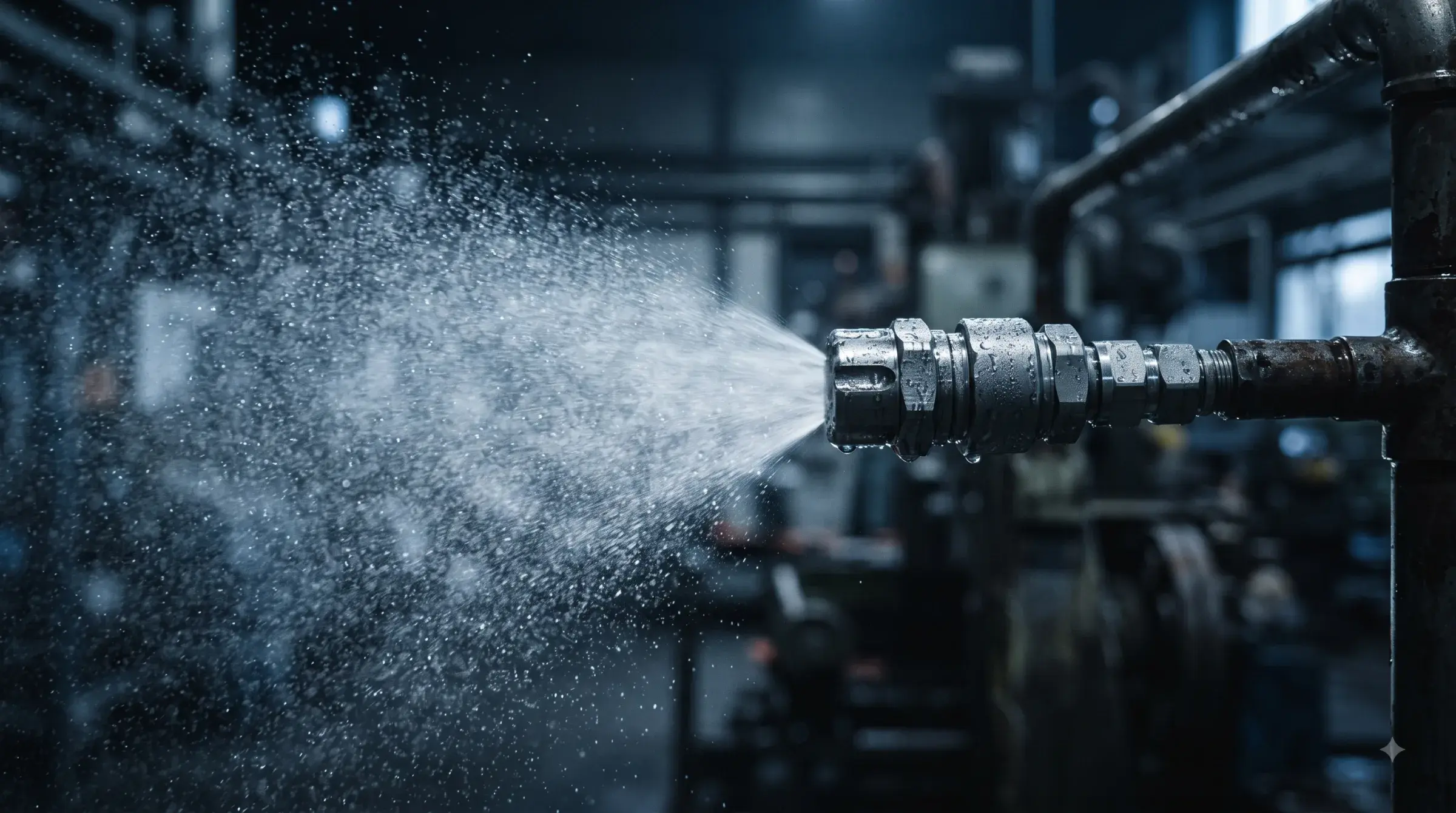
Nozzles
Stainless, ceramic orifice disc. A full cone of droplets under 200 microns.

Pump skids
Water-lubricated high-pressure pumps on one baseframe, hydrostatically tested to 1.5× before dispatch.
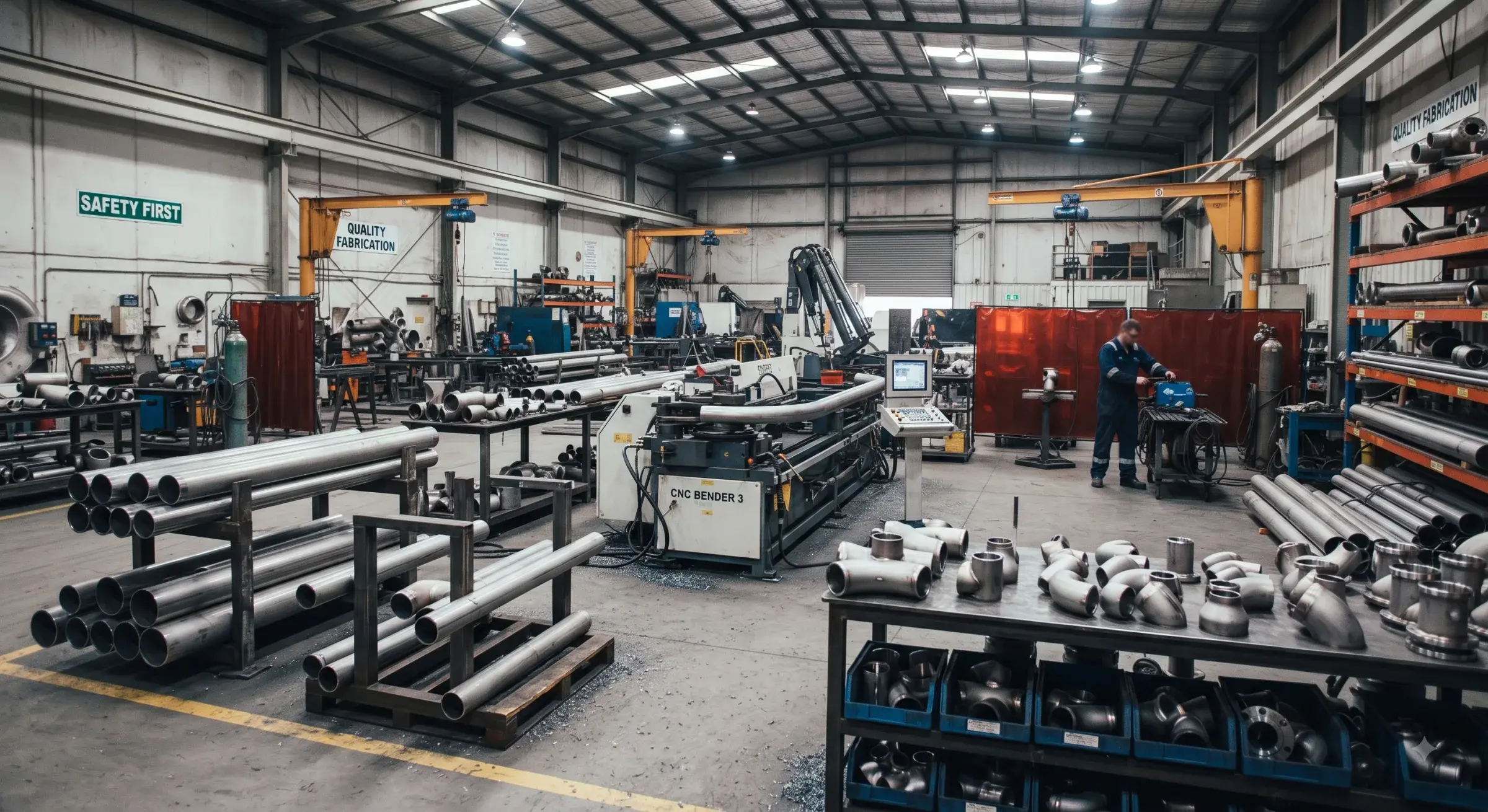
Fabrication
Pipework, manifolds and valve assemblies built in-house, every weld traceable.

The mist itself
Cooling, oxygen displacement, radiant-heat attenuation — one discharge.
Applications
Built for the risks that punish shortcuts
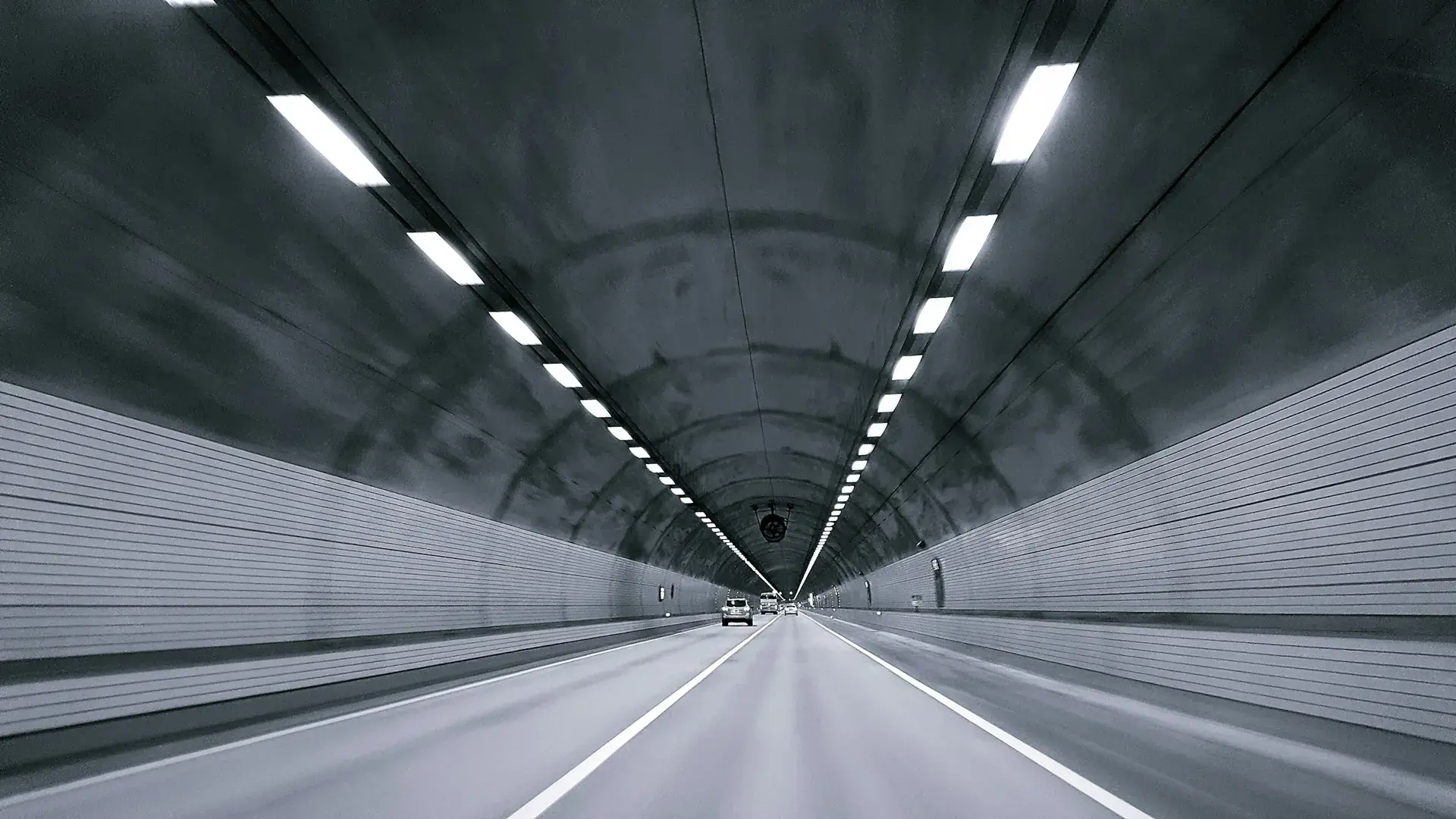
Road & rail tunnels
Zoned deluge water mist protection for tunnel bores, sized to 25–30 m fire zones with section-valve activation.
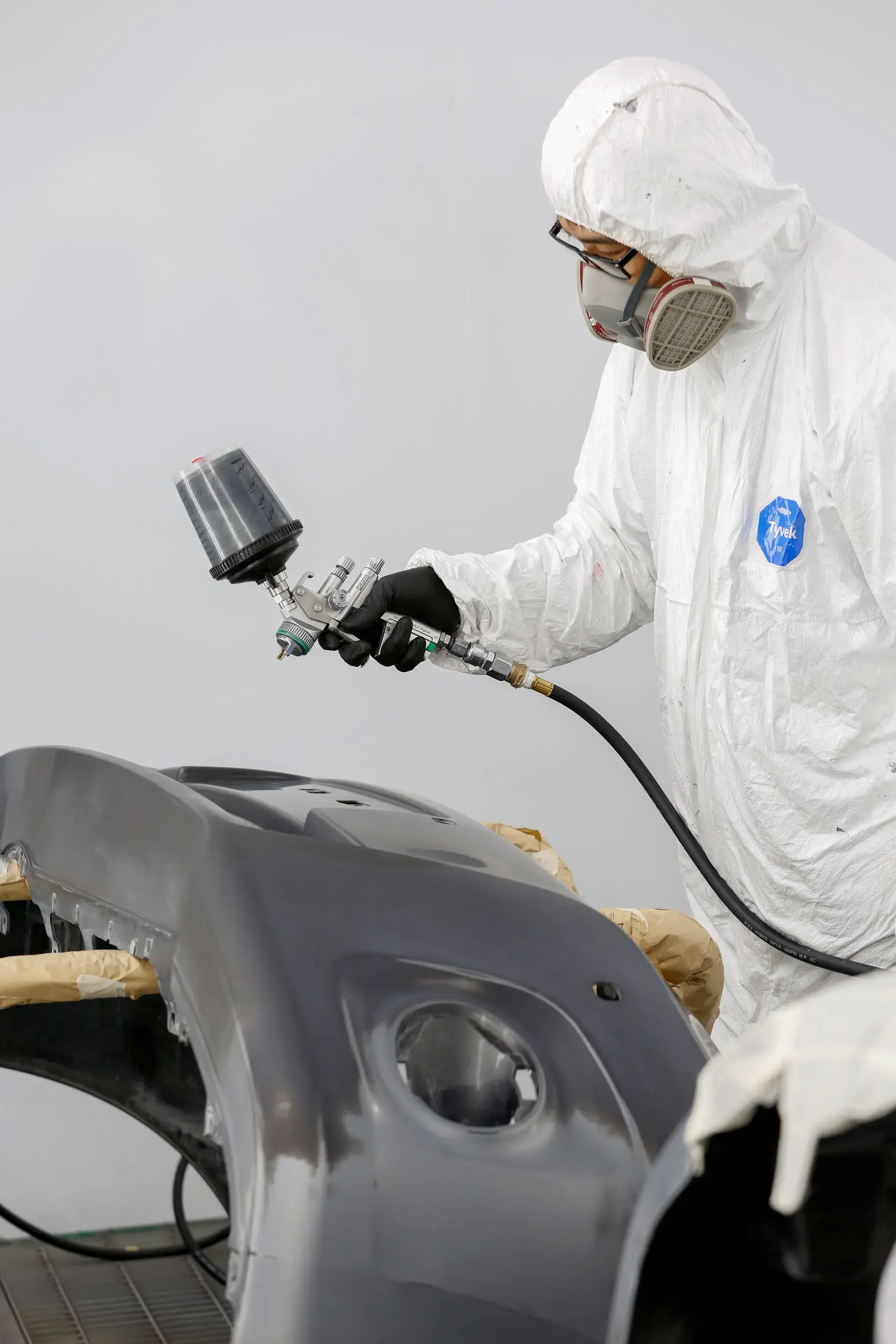
Paint booths
NFPA 33 / NFPA 750 conformant suppression for spray booths — fast knockdown, minimal water damage.
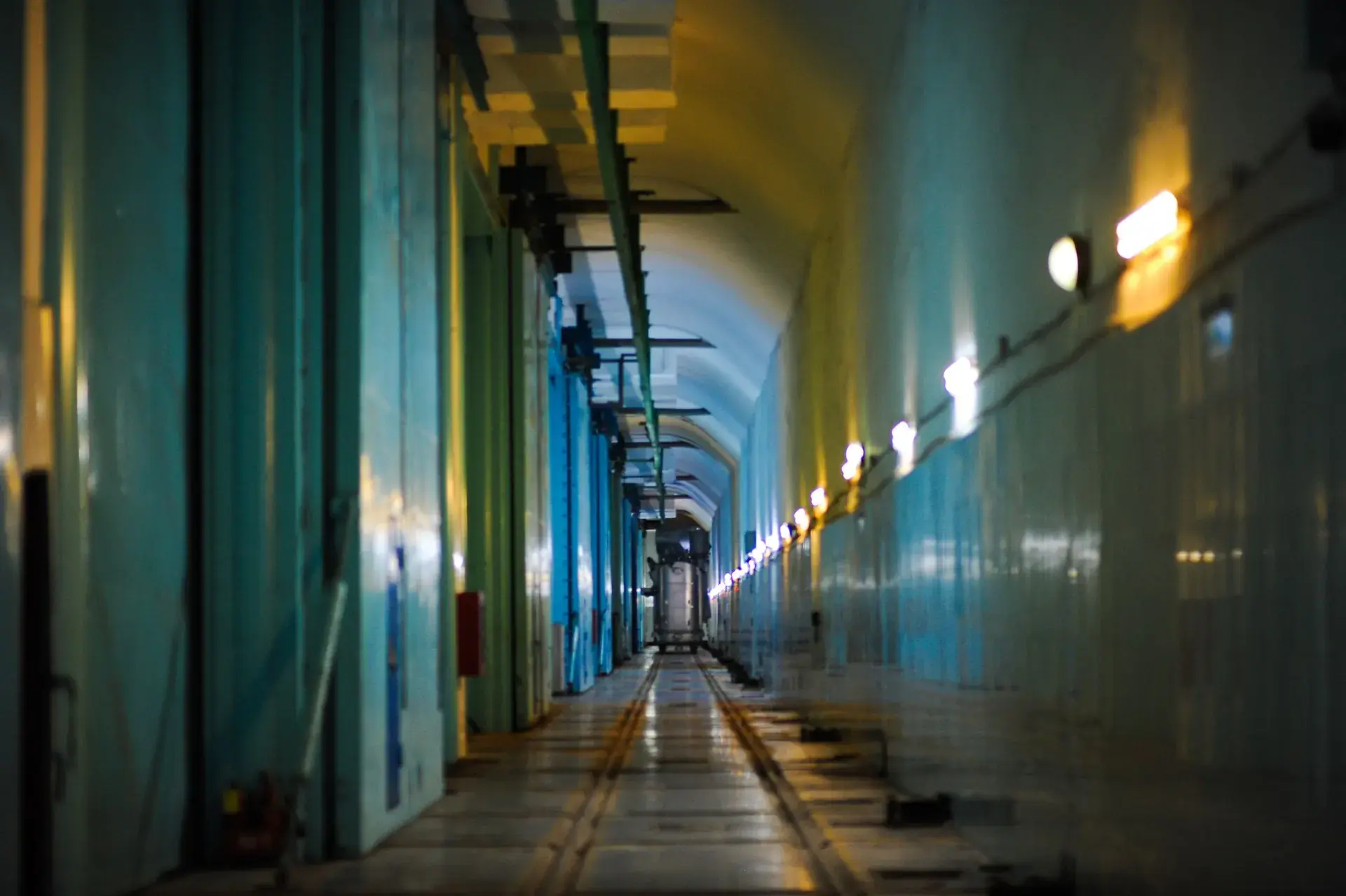
Cable tunnels
Protection for metro and power utility cable galleries where uptime and asset survival matter.
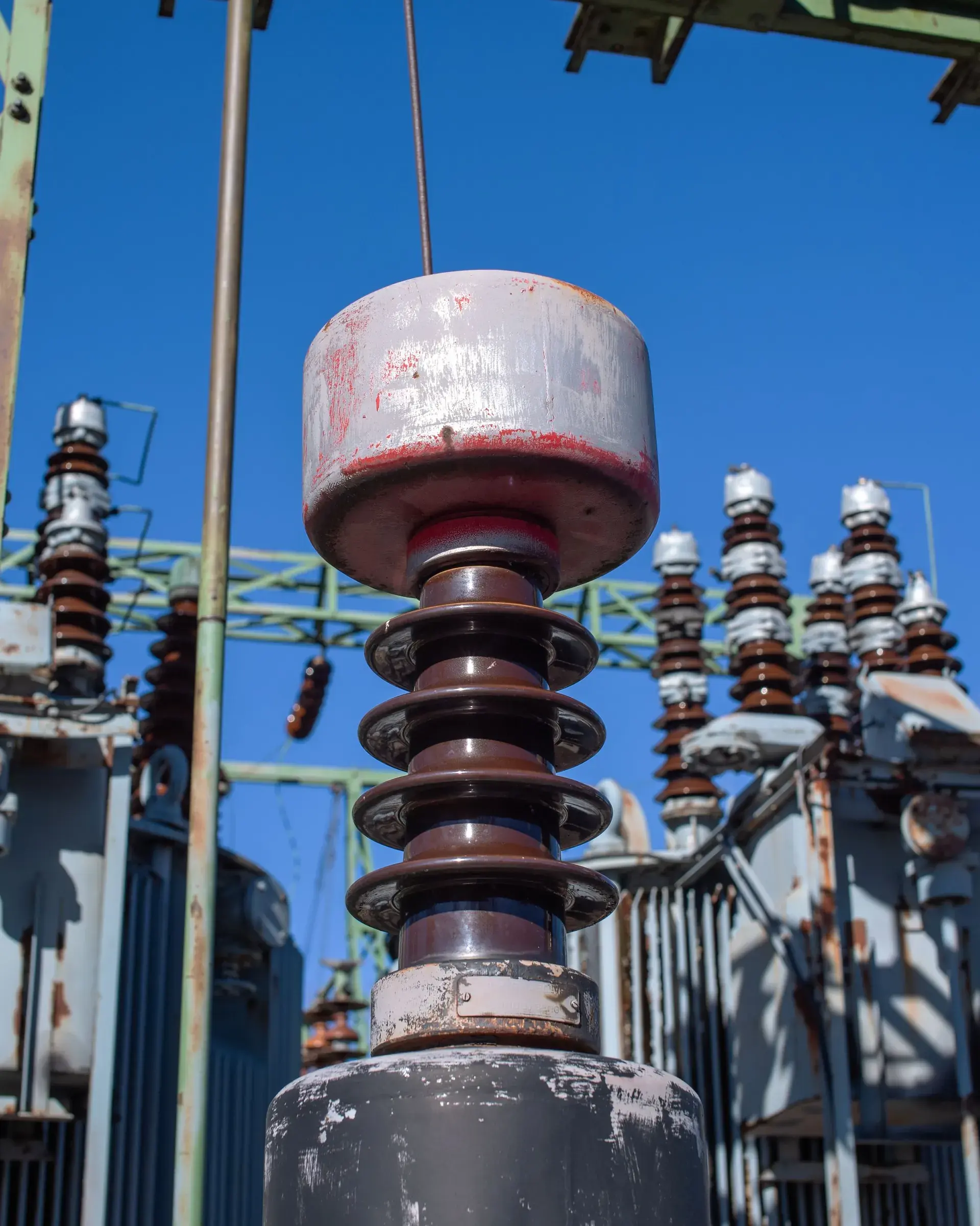
Transformers
Oil-filled transformer bay protection with a fraction of the water footprint of a deluge system.
Who this is for
For the people who sign the drawings
MEP & fire consultants
A design basis you can cite
Zone layout, hydraulic basis and the governing standard for your design report — engineering you can put in front of an authority, not a brochure.
EPC contractors
A tender package that closes
System concept, indicative specification and status against every named standard, stated in the four words a tender committee can actually check.
Owners & operators
Protection sized to the risk
Zoned high-pressure water mist that suppresses the fire in front of it with a fraction of the water — and a supplier who says plainly what is tested and what is not.
System demonstration
Watch the system respond
How it works
Three mechanisms, one discharge
- 01
Cooling
Fine droplets flash to vapour, absorbing heat far faster per litre than a coarse sprinkler spray.
- 02
Local oxygen displacement
Vapour expansion displaces oxygen at the seat of the fire, starving combustion without flooding the space.
- 03
Radiant heat attenuation
The droplet cloud blocks radiant heat transfer, slowing fire spread to adjacent fuel and protecting escape routes.
Why high pressure
High pressure wins on physics, not marketing
| Criterion | High-pressure mist | Low-pressure mist | Sprinkler |
|---|---|---|---|
| Droplet size (Dv0.9) | < 200 µm | 300–1,000 µm | ≈ 1,000–5,000 µm |
| Water demand | A fraction of sprinkler demand | Lower than sprinkler, above HP mist | Baseline — high |
| Heat absorption per litre | Highest — far more droplet surface per litre | Moderate | Lowest |
| Pipe diameter | Small-bore stainless tubing — light, retrofit-friendly | Medium bore | Large bore |
| Collateral water damage | Minimal — assets and electronics survive discharge | Moderate | Severe — flooding typical |
| Tank and pump footprint | Compact | Larger tanks | Largest tanks and mains |
Evidence, not adjectives
Four words we keep separate
Designed to
Engineering follows the standard's requirements; no third party has verified it yet.
Tested
The standard's test protocol has been completed at a laboratory and a test report exists.
Certified
An accredited body has issued the certificate or listing — a word we use only once that document exists.
Planned
Exactly that: not yet started or in progress, and stated as such.
Every status Mistelix publishes uses one of these, written so a document can be produced behind it when a consultant, insurer or authority asks. See the approvals ledger.
From enquiry to concept
How a project starts with us
- 01
Send the risk
Tunnel length, booth volume or bay layout, the governing standard you need to meet, and any drawings you already have.
- 02
An engineer reviews it
Not a sales desk. The application is checked against the standard and the physics before anything is written down.
- 03
System concept in two working days
Zone layout, indicative specification, hydraulic basis and our status against every standard named — material for a design report, not a quote template.
Engineering
Manufactured to be tested, not just installed
Every pump skid is hydrostatically tested before it ships. Every mapper of nozzle to zone is documented. See how Mistelix builds and verifies its systems.
Built by a team from inside the water mist sector, with in-house fabrication that has installed and commissioned high-pressure systems end to end. About the team.
Engineering & manufacturingEngineering notes
What we publish, so you can check us
Sept 2026
Water Mist Approval in the Gulf: What Is Required
How water mist fire suppression is approved across the GCC — Civil Defence submissions, the NFPA basis of regional codes, and the evidence chain expected.
Sept 2026
What the SOLIT Tunnel Fire Tests Actually Showed
SOLIT tested high-pressure water mist against HGV-scale tunnel fires in Spain. What the published record supports, what it does not, and why it is redacted.
Sept 2026
Fixed Firefighting for Southeast Asian Tunnels
Metro, road tunnel and cable gallery projects across Southeast Asia: which standards govern fixed firefighting, and what humidity and corrosion change in design.
By the numbers
What 50–140 bar buys you
140 bar
Maximum operating pressure
< 200 µm
Droplet size, Dv0.9
1.5×
Hydrostatic test, every pump skid
25–30 m
Tunnel protection zones
Questions
Frequently asked
- What is high-pressure water mist fire suppression?
- A fixed firefighting technology that pumps water at 50–140 bar through fine nozzles, atomising it into droplets typically under 200 microns. The mist cools the fire, locally displaces oxygen as droplets flash to steam, and blocks radiant heat — using far less water than conventional sprinklers.
- How is water mist different from sprinklers or deluge?
- Sprinklers and deluge control a fire by volume of water; mist does it by droplet surface area. Fine droplets present far more cooling surface per litre, so a mist system suppresses with a fraction of the water, small-bore stainless pipework and far less collateral damage. Sprinklers remain the right, prescriptive choice for large open storage.
- Which standards govern a water mist system?
- NFPA 750 for system design, installation and maintenance; NFPA 502 for road tunnel fixed firefighting systems; the EN 14972 series for application-specific full-scale fire testing; and, for Indian projects, IS 15519. Mistelix publishes its status against each on the approvals ledger using four distinct words — designed to, tested, certified, planned — never interchanged.
- How do I get a system concept for my project?
- Send the application, the governing standard and any drawings through the contact form. An engineer responds within two working days with a zone layout, indicative specification and hydraulic basis you can use directly in a design report.

High-pressure water mist fire suppression · Tunnels · Booths · Cable galleries · Transformers
Get started
Talk to us about your risk
Send us your tunnel length, booth volume, or bay layout and the standard you need to meet. We respond with a system concept, not a sales pitch.
Request technical assessment