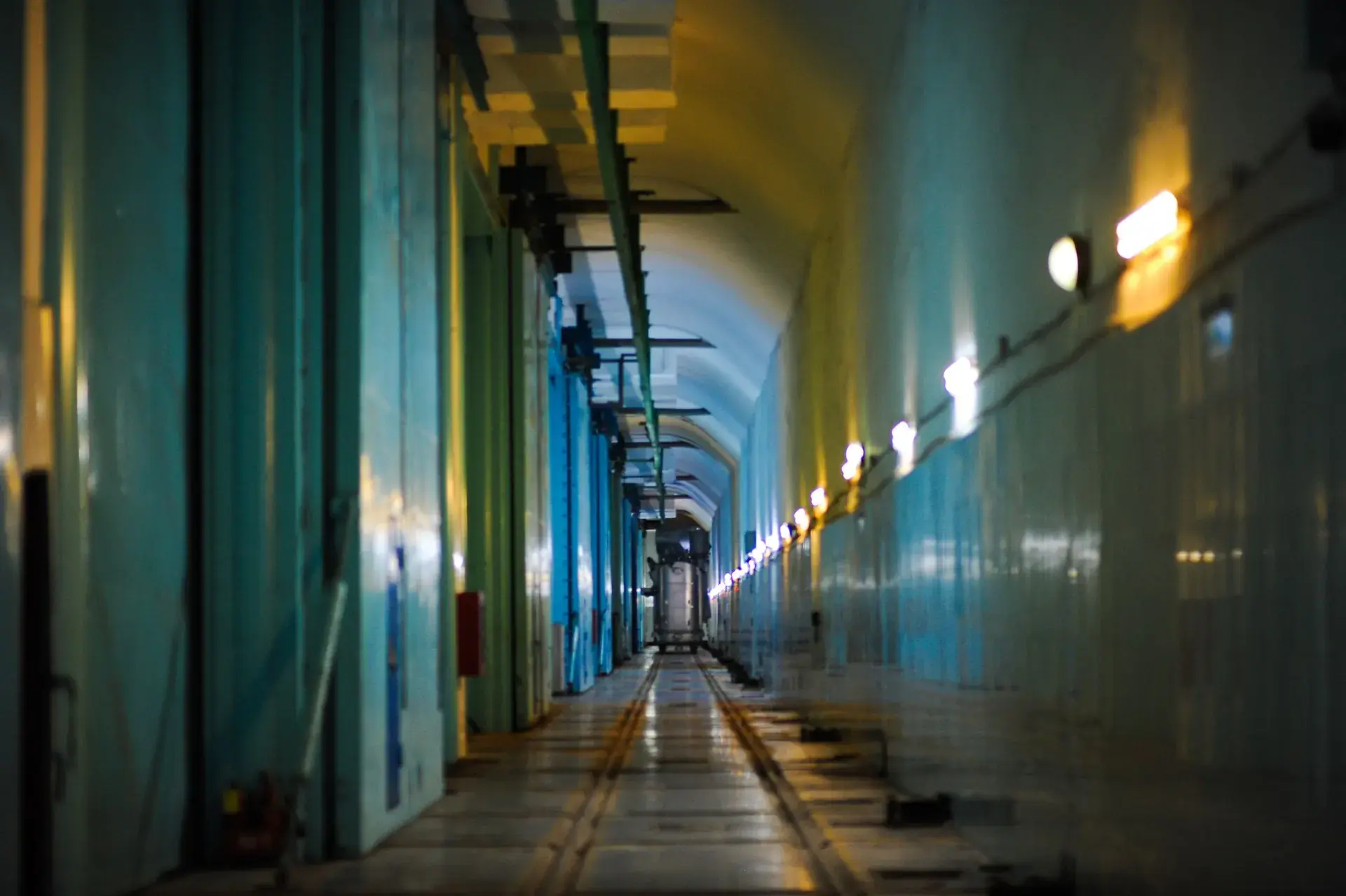
Southeast Asia is building underground at pace. Metro networks are expanding across the region's capitals, road tunnels are being driven through terrain that previously forced long surface routes, and urban electrical networks are being moved into cable galleries as cities densify. Each of those brings a fixed firefighting requirement, and each brings it under a different national framework.
For a consultant working across more than one jurisdiction, the first task is not engineering. It is establishing which document the approving authority will actually measure the design against.
The standards picture
There is no regional code equivalent to the EU tunnel directive. What exists instead is national regulation layered over a largely NFPA-derived technical base.
The Philippines applies the Fire Code of the Philippines through its implementing rules and regulations. Vietnam applies its QCVN national technical regulations alongside the TCVN standards series. Other states in the region operate their own national frameworks, and major infrastructure clients frequently impose specifications that exceed the national minimum.
What runs through nearly all of it is NFPA. Where a project involves a road tunnel, NFPA 502 is usually the operative reference for fire life safety — ventilation, detection, egress, emergency response and the role of a fixed firefighting system. Where water mist is the chosen technology, NFPA 750 governs the system itself. A specification citing both should state which governs in the event of conflict, and should be explicit about whether the national code or the referenced NFPA edition is binding.
That last point causes more programme delay in this region than any technical issue. National regulation, client specification and referenced NFPA standard are three separate texts, and a design compliant with one is not automatically compliant with the others.
Three project types, three different problems
Metro systems. The risk is concentrated in confined spaces with high occupancy and limited egress, where tenability during evacuation dominates every other objective. Zoned protection with detection that reports position, rather than merely raising an alarm, is what allows suppression to act where the fire is.
Road tunnels. The design fire drives everything, and longitudinal ventilation means the fire plume does not stay where it started. Protection is zoned along the bore, and detection opens the zone containing the fire together with one zone on each side, so the wetted envelope extends downstream in the direction of airflow.
Cable galleries. This is the category expanding fastest and receiving the least attention. A cable fire is fuel-rich and self-sustaining along a loaded tray, the gallery is usually unmanned between inspections, and the consequence is a service outage across everything the cables feed. Detection and automatic suppression have to do the entire job before anyone arrives.
What the climate actually changes
The physics of suppression does not change with latitude. Three things around it do.
Material selection. Sustained humidity and, on coastal alignments, salt-laden air make corrosion a design input rather than a maintenance afterthought. Wetted parts and distribution pipework in marine-grade stainless are a reasonable default rather than an upgrade, and the specification should state the grade rather than leaving it to the installer.
Water quality. A mist nozzle orifice is under a millimetre across, and a single particle of pipe scale can take a nozzle out of duty. Source water quality, filtration arrangement and the ability to clean a filter without taking the system offline matter more here than in a temperate climate with treated supply.
Ambient and stored water temperature. These affect pump room ventilation and heat rejection, and the selection of seals and elastomers throughout. They belong in the design basis as assumptions confirmed for the site, not inherited from a reference design produced elsewhere.
The evidence question
Whatever the jurisdiction, the documents an authority is entitled to see are the same three: the full-scale fire test report naming the protocol and the accredited laboratory, the component test reports behind nozzles, valves and pumps, and the DIOM manual in which the manufacturer records what testing actually demonstrated.
Water mist carries no generic spacing table. The design rules come from the tests, which is why a system without a test-backed DIOM has no design basis regardless of what its datasheet claims. The substitution to watch for is a component certificate offered in place of a system fire test — a certified nozzle says nothing about whether an arrangement of those nozzles controls the design fire in question.
Where Mistelix stands
Our systems are designed to NFPA 750, and to the EN 14972 series where a project specifies it. Full-scale fire testing at an accredited laboratory is scheduled and not yet complete; we publish that position rather than implying evidence we do not hold. The standards ledger sets it out line by line.
If you are working on a metro, road tunnel or cable gallery project in the region, send us the application, the governing code and the stage the project has reached. An engineer responds with a system concept and the hydraulic basis behind it.