Mistelix engineers high-pressure water mist fire suppression systems. This guide explains what the technology is, which Indian projects it fits, how the approvals landscape actually works, and — most importantly — how to evaluate any supplier's claims, including ours.
What is high-pressure water mist?
High-pressure water mist is a fixed firefighting technology that pumps water at 50–140 bar through stainless steel nozzles, atomising it into droplets typically finer than 200 microns. Because total droplet surface area rises as diameter falls, the same litre of water presents several times more cooling surface than a sprinkler discharge — which is why mist controls fires with far less water.
Three mechanisms act in one discharge: the droplet cloud absorbs heat and flashes to vapour, expanding roughly 1,700 times and displacing oxygen at the seat of the fire; and the suspended mist attenuates radiant heat, slowing spread to adjacent fuel. Because the effect comes from droplet surface area rather than water volume, a discharge uses a fraction of the water a sprinkler system would, which is why water mist is chosen for spaces holding electronics, switchgear and heritage interiors.
Who needs it in India
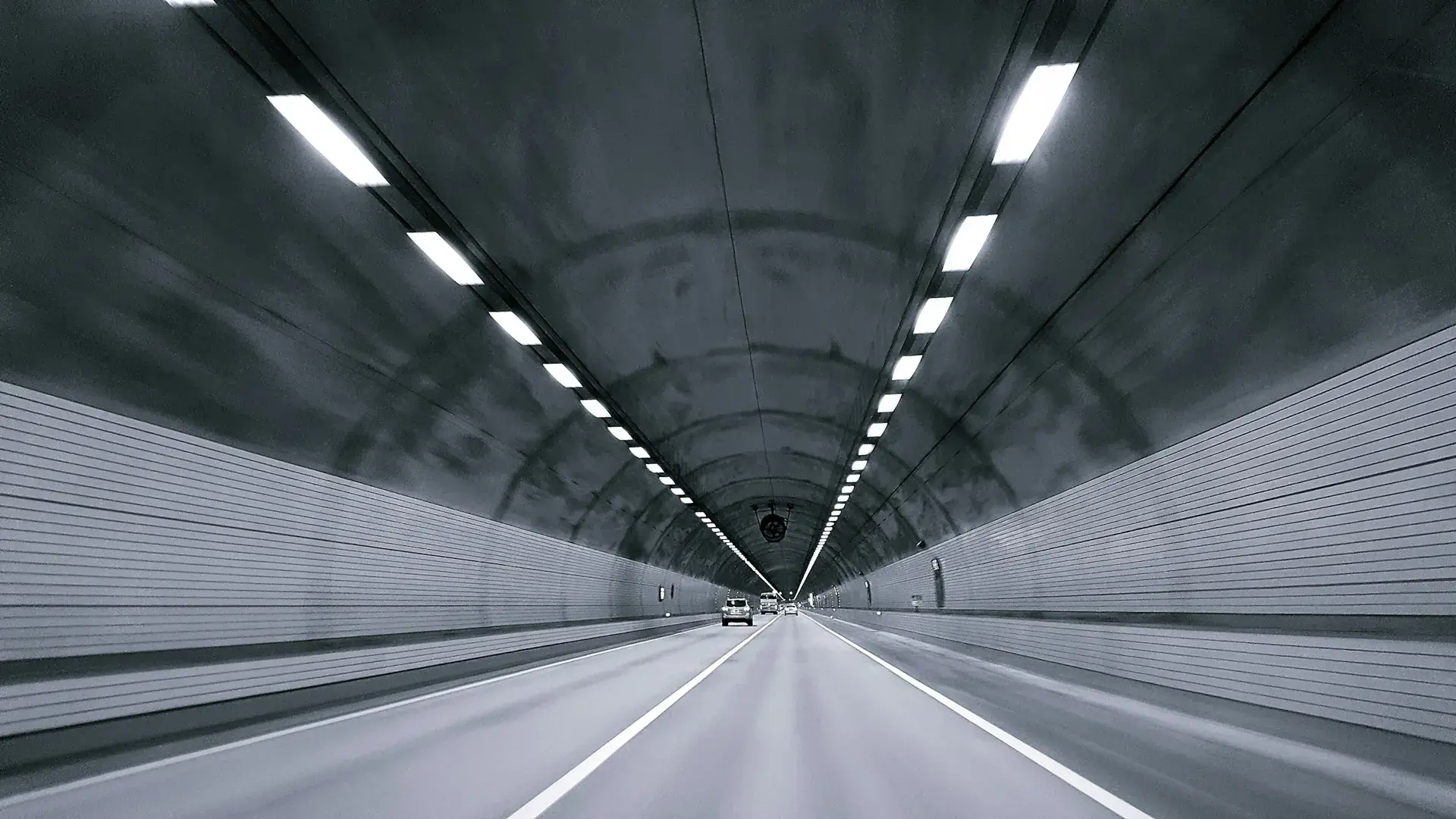
Road and rail tunnels. India's tunnel construction — NHAI highway corridors, metro networks, Himalayan rail — creates confined spaces where a vehicle fire escalates faster than any external response. A zoned fixed firefighting system acts in the first minutes; our tunnel fire protection pillar covers the design basis in depth, including the fire-zone-plus-guard-zone activation logic.
Metro and utility cable galleries. Cable fires are self-sustaining, smoky, and usually start where nobody is present. The EN 14972 series carries a dedicated cable-tunnel fire test — Part 11, analysed here — and mist's small-bore pipework suits long congested galleries.
Automotive and industrial paint shops. NFPA 33 governs spray application; mist knocks down solvent fires without the days of cleanup a deluge or foam discharge forces on a production line. See paint booth fire suppression.
Transformers and electrical infrastructure. Oil-filled transformer bays get deluge-equivalent protection at a fraction of the water and footprint — details on our transformers page.
The Indian regulatory landscape
India has a dedicated water mist code of practice — IS 15519:2020, covering system design, installation and commissioning — but no product certification scheme sits on top of it, so acceptance is still assembled project by project across three layers. The National Building Code and the applicable IS codes set the general fire safety framework a building or facility must satisfy. Insurers and the Tariff Advisory Committee (TAC) lineage shape what risk carriers will accept, and DRDO-CFEES evaluates fire protection systems for approval in Indian projects. For the water mist technology itself, consultants and tender committees reference the international standards: NFPA 750 for system design and the EN 14972 series for application-specific full-scale fire testing — we explain that framework in EN 14972 Explained.
The practical consequence for a buyer: a supplier's conformity story must name specific standards and state its actual status against each, because "approved" without any further detail means nothing to the fire consultant reviewing your tender.
How to read any supplier's status claims
Water mist is performance-based: there is no generic nozzle, so a manufacturer's own test evidence — where it exists — is the design basis. What matters when comparing suppliers is whether they separate four distinct ideas rather than blurring them into one word: designed to a standard (engineering follows it, unverified by a third party), tested (a test report exists), certified, listed or approved (an accredited body has issued the certificate), and planned (not yet started). A DIOM manual — Design, Installation, Operation and Maintenance — built from test results is the strongest form of evidence a water mist manufacturer can offer once it exists.
We publish our own status this way in our approvals ledger and our EN 14972 roadmap, including everything not yet tested or certified.
Frequently asked questions
What is high-pressure water mist fire suppression? A fixed system pumping water at 50–140 bar through fine nozzles, producing sub-200-micron droplets that cool the fire, displace oxygen locally, and block radiant heat — with far less water than sprinklers.
Is water mist approved for use in India? It is specified project-by-project, referencing NFPA 750 and EN 14972 internationally alongside TAC and DRDO-CFEES approval routes domestically. Check every supplier's published status per standard.
Where is water mist better than sprinklers? Wherever water damage, supply, or space constrains the design — tunnels, cable galleries, transformers, paint booths, electrical rooms, heritage assets. Read the full comparison in Water Mist vs Sprinkler.
How much water does it need? Far less than an equivalent sprinkler system, shrinking tanks, pumps and pipework accordingly.
How do I evaluate a supplier? Check their published status against each standard — designed-to, tested, certified, or planned — stated in writing rather than a single blanket "approved" claim.